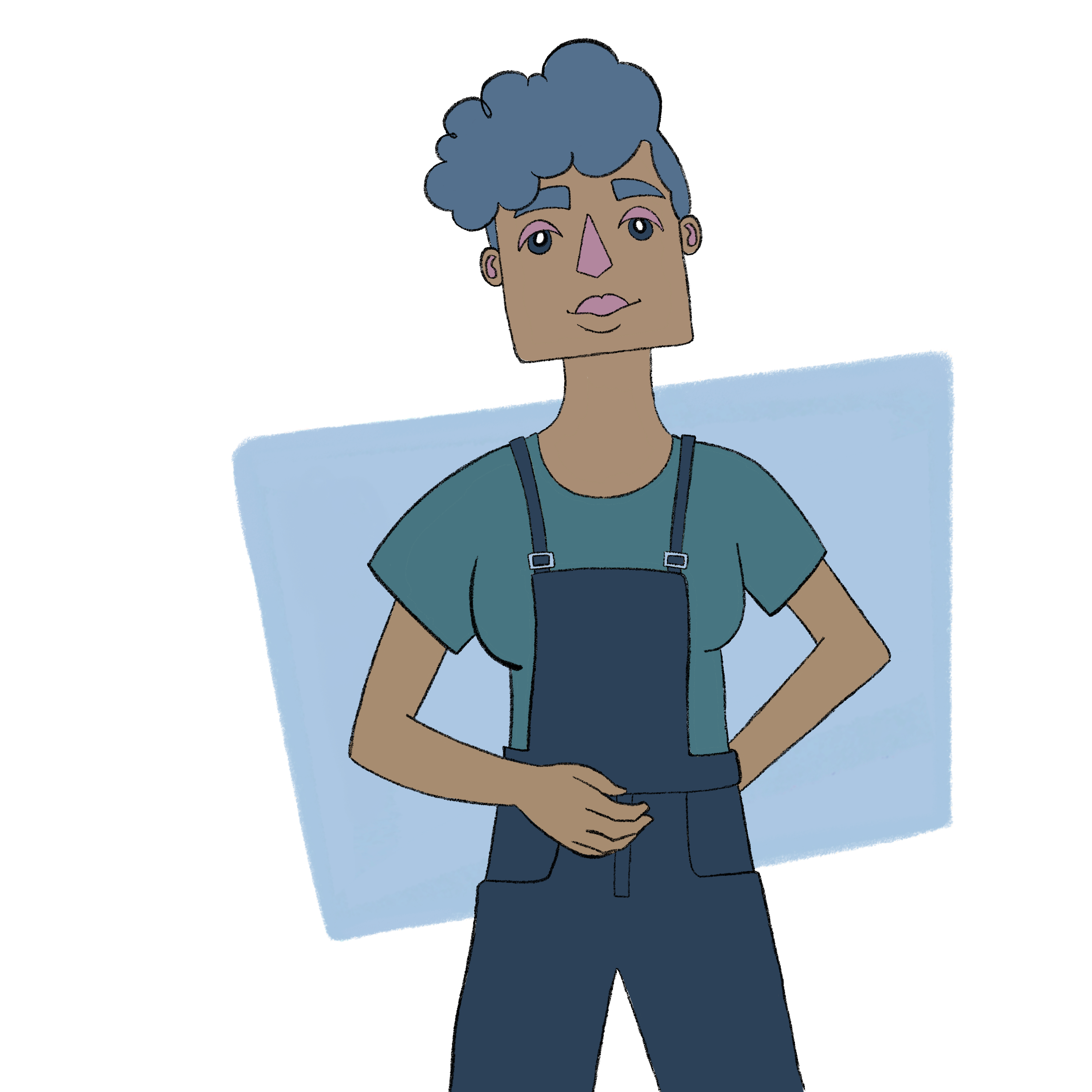
ISTP
“Stress is when you think you need to be someone else. Calm is when you are simply who you are.” — C
ISTP Types — Who Are You Really?
ISTP types are sometimes described as practical, quiet, and sharp, but these descriptions touch only the outer layer of a consciousness driven by a deep investigation of how things truly work.
Your Superpower (First dominant function — Introverted Thinking, Ti)
ISTP types strive to break reality down into its components, understand its internal principles, and distill logical truth free from unnecessary assumptions. For them, the world is not only what appears on the surface — but a system of structures, laws, and causal connections that can be analyzed, tested, and improved.
This inner orientation gives ISTP types a strong sense of independent thinking. They tend to question what is taken for granted, and examine everything through direct understanding rather than through external authority. Insights often come through quiet observation or direct experience, and not only through theoretical discussion. When they understand something, the understanding is precise, concise, and sometimes difficult to explain to others, because it is based on deep internal integration rather than on linear steps.
The Guiding Hand: The Skill That Changes the Picture (Second auxiliary function — Extroverted Sensing, Se)
ISTP types have a direct, sharp, and intuitive connection to immediate reality. They are highly responsive, able to read situations in real time, and tend to act from full presence in the moment. ISTP types are drawn to action, experimentation, and hands-on learning — whether through machines, sports, creation, or solving problems in the field. At their best, they are able to combine deep understanding with precise and quick execution, and may even show exceptional skill in situations of pressure or uncertainty.
The Inner Child in Your Personality (Third function — Introverted Intuition, Ni)
Within the personality of ISTP types, there is a quiet layer of seeing direction and meaning. It allows them to identify future patterns, predict outcomes, and sense when something is converging in a certain direction. They may not always express this in words, but they act from an inner sense of precision that guides them toward the right choices at the right time.
What ISTP Types Would Want You to Know About Them (Fourth inferior function — Extroverted Feeling, Fe)
ISTP types are not emotionally detached, but their connection to the emotional world, especially in the interpersonal sense, is less direct and less intuitive. They may struggle to express emotions openly or understand unspoken emotional expectations. However, when commitment is formed, it is usually expressed through actions rather than words: practical help, quiet presence, or solving problems for others. Throughout development, many of them learn to recognize and express emotions more consciously, without giving up the authenticity and simplicity that characterize them.
On the experiential level, ISTP types seek freedom — not only externally, but as an inner space in which they can move, explore, and respond without being overly restricted by rules, structures, or social expectations. They tend to shy away from rigid frameworks or overly repetitive routines, and prefer an environment that allows flexibility, problem-solving, and response to changing situations.
When It All Comes Together: ISTP at Their Best
Throughout their process of development, ISTP types often move from relying on emotional detachment and instinctive response toward a broader integration of understanding, presence, and feeling. The mature ISTP is not only a problem solver or someone who reacts to reality, but someone who creates within it through a deep connection between thinking, action, and human sensitivity. Far from the image of “the cold technician,” these are people who investigate the mechanism of life itself — people who seek to understand, touch, and act precisely where theory and reality meet.
One More Small Thing We Want to Say to You:
It is impossible not to appreciate that quietness of yours. You probably figured out long ago that most people talk far too much and do far too little, while you simply prefer to get straight to the point and solve the problem. Surely the people close to you have already realized that you are not the type for grand declarations, but when someone is needed who actually knows what they are doing, you are the first person everyone looks for.