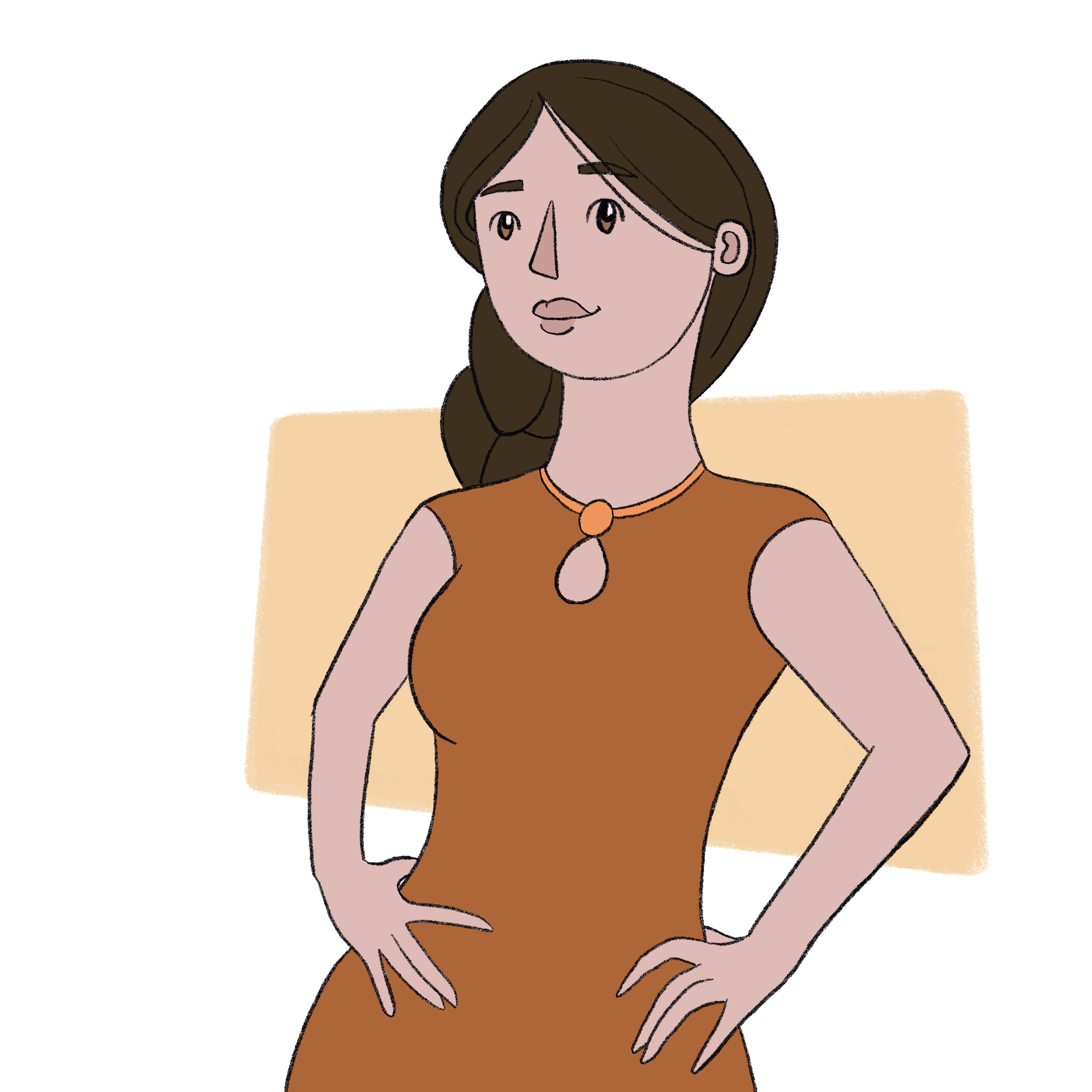
ESFJ
“People will forget what you said and what you did, but people will never forget how you made them f
ESFJ Types — Who Are You Really?
ESFJ types are sometimes described as social, warm, and caring, but these descriptions reflect only the surface of a consciousness that is oriented first and foremost toward preserving, nurturing, and harmonizing the human space.
Your Superpower (First dominant function — Extroverted Feeling, Fe)
The developed emotional ability of ESFJ types places their attention on relationships, the emotional needs of the environment, and interpersonal dynamics. They experience the world through the connections within it, through what brings people together, through what creates a sense of belonging, and through what allows a harmonious flow of interaction between people.
This orientation creates high sensitivity to atmosphere, social expectations, and emotional states, even when they are not stated explicitly. ESFJ types tend to respond quickly to the needs of others, to organize, help, and support, sometimes even before they are asked. For them, creating a pleasant and functioning environment is not merely an external action, but an expression of deep commitment to the human fabric. When the space around them is harmonious, they experience a sense of stability and meaning. When there is disconnection, it may resonate within them strongly.
The Guiding Hand: The Skill That Changes the Picture (Second auxiliary function — Introverted Sensing, Si)
In their personality, ESFJ types are an anchor of stability, memory, and loyalty to what is familiar and proven. They are connected to traditions, habits, and ways of doing things that have been built over time, and they have the ability to create continuity within relationships and frameworks. ESFJ types tend to remember personal details, small gestures, and meaningful moments, and use them to strengthen connections. At their best, they give a sense of reliability and consistency. When they are less balanced and less flexible, they may cling to norms even when change is needed.
The Inner Child in Your Personality (Third function — Extroverted Intuition, Ne)
ESFJ types have within their personality the potential for openness, creativity, and seeing possibilities. In moments of security, they have the ability to broaden their perspective, play with new ideas, and see different ways of connecting people and situations. At their best, there is a softening of their dependence on the familiar and a sense of lightness and flexibility. When they are less balanced, they may prefer what is known and safe, and shy away from uncertainty.
What ESFJ Types Would Want You to Know About Them (Fourth inferior function — Introverted Thinking, Ti)
For ESFJ types, the need to analyze deeply, separate emotion from logic, or critique existing structures from within may feel less natural and more complex. They may prefer solutions that preserve harmony, even if they are not completely precise from a logical standpoint. However, as they develop, they acquire the ability for clarity, discernment, and asking deeper questions — not only what is socially appropriate, but also what is essentially true.
On the experiential level, ESFJ types seek a “living” connection — a feeling of being part of something shared, continuous, and meaningful. They are drawn to environments where there is interaction, cooperation, and mutuality, and they feel at their best when they can contribute to the well-being of others in a tangible way. Disconnection, indifference, or extreme individualism may feel foreign and even destabilizing to them.
When It All Comes Together: ESFJ at Their Best
Throughout the process of development, ESFJ types often move from relying on adapting to external expectations and immediate harmony toward a broader integration of inner discernment, flexibility, and insistence on inner truth. The mature ESFJ does not only nurture relationships, but also understands their boundaries. They do not only respond to the needs of others, but are also able to identify their own needs, and they do not rely only on what is accepted, but also examine what is deeply right. Far from the image of “the social people-pleaser,” these are people who are guardians of the human fabric — those who hold, connect, and shape the delicate tissue from which shared human experience is built.
One More Small Thing We Want to Say to You:
Sometimes people think things just happen on their own. That everyone feels comfortable, that the atmosphere is good, that someone remembered to bring exactly what was missing. It all happens because you cared enough to take care of it. It is easy for people to rely on what you do and on the stability you provide, but it is important for us that you know your value is not only in what you give to others, but in who you are. So allow yourselves to rest from time to time too, and remember that you are also allowed to be cared for.